


 1.svg)


 Home
Home Home cleaning
 Commercial cleaning
.svg) My profile
My profile Blog
Blog About us
 1.svg) Contact
Contact.svg) Bookings
Bookings Cleaning address
 Requisites (for business)
 1.svg) Contact details
Contact details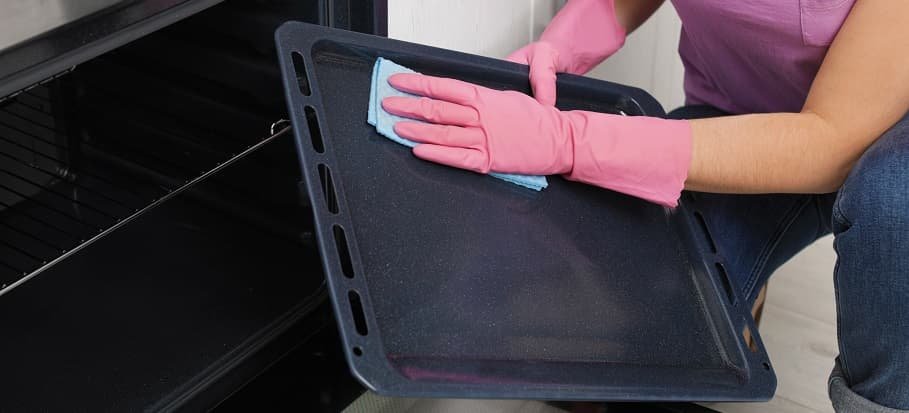
Baking is fun — cleaning up afterwards, not so much. One of the most annoying kitchen tasks is scrubbing sticky, greasy oven trays. They collect burnt food, oils, and rust faster than any other cookware, and no one enjoys the sight of a tray that looks permanently stained.
Luckily, there are several simple and natural ways to bring your oven trays back to life. Whether you’re dealing with baked-on grease, burnt residue, or even rust, you can clean them effectively without harsh chemicals.
Here’s everything you need to know.
Types of Oven Trays
Before getting into the cleaning methods, it helps to know what kind of oven tray you’re working with. The material makes a big difference in how you should clean it.
Stainless steel
Durable and long-lasting, stainless steel trays are the most resistant to heat and damage. However, they still collect grease and can develop rust if neglected.
Aluminium
A cheaper and lighter option, aluminium trays heat up quickly but are more prone to scratches and corrosion. They also discolour more easily with heavy use.
Glass
Glass trays look great when new but can develop a brown tint and sticky residue over time. They’re non-reactive and easy to clean, but they can break if dropped or exposed to sudden temperature changes.
Understanding your tray type helps you choose the safest and most effective cleaning method.
How to Remove Baked-On Grease from Oven Trays
If you’ve just finished roasting and your tray looks like it’s been through battle, here’s how to deal with stubborn baked-on grease.
-
Start by wiping away as much grease as you can with a paper towel.
-
Fill your sink with hot water and add a generous amount of dishwashing liquid.
-
Submerge the tray and let it soak for at least an hour. If the water doesn’t cover it completely, turn it occasionally.
-
Use a sponge to scrub the tray. For non-stick trays, use a soft sponge to avoid scratching; for stainless steel, a slightly more abrasive pad is fine.
-
Rinse with cold water and check your results. If any grease remains, repeat the process or run the tray through the dishwasher.
Hot water and time are your best friends when dealing with cooked-on grime.
Cleaning Oven Trays with Baking Soda and Vinegar
This natural combination is perfect for loosening tough grease and restoring shine.
-
Mix equal parts of baking soda and white vinegar in a sink or large basin filled with hot water.
-
Place the tray in the mixture and let it soak for about an hour.
-
Once the fizzing stops, scrub gently with a non-scratch scouring pad.
-
Rinse thoroughly and let the tray air dry.
This method not only removes stains but also neutralises odours — perfect if your tray smells a bit smoky from past roasts.
How to Clean Rust from Oven Trays
Rust is a common problem, especially for older metal trays. Don’t throw them away just yet — there are a few effective ways to fix it.
Using Steel Wool
Rub the rusty areas gently with steel wool, adding a drop of dish soap as lubrication. This helps prevent scratches while lifting rust. For delicate materials, use fine-grade steel wool instead.
Using Lemon Juice and Cream of Tartar
Mix equal parts lemon juice and cream of tartar into a thick paste. Spread it over the rusty areas and let it sit for about 30 minutes. The natural acid in the lemon helps dissolve the rust. Scrub gently, rinse with cold water, and dry well.
Using Baking Soda and a Potato
Cut a raw potato in half, dip the cut side into baking soda, and rub it over the rusty spots. The mild acid in the potato reacts with the baking soda to loosen the rust. This method is ideal for light rust layers. Rinse and dry the tray afterwards.
Preventing Rust and Grease Build-Up
Once your oven trays are clean, a little maintenance goes a long way. Here’s how to keep them looking their best:
-
Line trays with baking paper or foil when roasting to protect the surface.
-
Wipe away grease as soon as the tray cools down.
-
Soak trays in hot soapy water after each use to prevent residue from setting.
-
Avoid metal scouring pads on non-stick or delicate trays to prevent scratches.
-
Always dry your trays completely before storing them to stop rust from forming.
Why Cleaning Oven Trays Matters
Neglecting oven trays doesn’t just make them look unpleasant — it affects your cooking. Burnt grease can smoke and alter the taste of your food. Dirty trays also reduce heat efficiency, meaning your oven works harder and takes longer to cook meals evenly.
Regular cleaning not only improves food quality but also helps your oven run more efficiently and last longer.
Professional Oven Cleaning for Effortless Results
If you’ve tried all the DIY methods and your oven still looks worse for wear, it might be time to call in a professional. A professional oven cleaning technician will remove and deep-clean every part of your oven — including the trays, shelves, and glass door — using industry-grade, non-toxic cleaning solutions.
The process usually takes a few hours, and once finished, your oven is ready to use immediately. It’s an easy way to save time and get better results without the smell or stress of harsh chemicals.
Final Thoughts
Cleaning oven trays can be one of those household tasks we all dread, but it doesn’t have to be a chore. With a few simple ingredients like baking soda, vinegar, and lemon, you can restore your trays to their original shine safely and naturally.
Make it a habit to give them a quick soak after each use, and you’ll never have to battle with burnt-on grease again. And when life gets too busy — or your oven needs more than a light clean — a professional service can make it sparkle while you focus on what really matters.
